




Ministry of Industry and Trade Implements Strategic Solutions to Boost Rice Exports in 2026

01/04/2026
The Ministry of Industry and Trade issues Directive 08/CT-BCT with six key solutions to drive 2026 rice exports. Leveraging FTAs, expanding into EU/UK markets, and ensuring logistical flexibility amidst geopolitical shifts.
Overview of Rice Exports in Early 2026
Viet Nam's rice export market has entered 2026 with a mixture of positive signals and significant challenges. According to data from Viet Nam Customs, as of 15 March 2026, Viet Nam exported approximately 1.74 million tonnes of rice, reaching a turnover of 826.2 million USD.
However, the early-year performance reveals a notable contrast: while export volume rose by 2.3% compared to the same period in 2025, the total export value decreased by 8.7%. The average export price stood at approximately 477.6 USD per tonne. This trend reflects a global price correction as supply is forecast to reach peak levels during the 2025-2026 crop year.
Viet Nam's rice export market has entered 2026 with a mixture of positive signals and significant challenges. According to data from Viet Nam Customs, as of 15 March 2026, Viet Nam exported approximately 1.74 million tonnes of rice, reaching a turnover of 826.2 million USD.
However, the early-year performance reveals a notable contrast: while export volume rose by 2.3% compared to the same period in 2025, the total export value decreased by 8.7%. The average export price stood at approximately 477.6 USD per tonne. This trend reflects a global price correction as supply is forecast to reach peak levels during the 2025-2026 crop year.
The Global Rice Market Context in 2026
Global Production and Consumption Forecasts
According to reports from the Food and Agriculture Organisation of the United Nations (FAO), global rice production for the 2025-2026 season is projected to hit a record 563.4 million tonnes. Meanwhile, global consumption is expected to rise by 2.7% to 555.5 million tonnes. While the stock-to-use ratio remains favourable at 38.7% – providing a "safety buffer" – it also intensifies competitive pressure on Viet Namese rice.
Geopolitical Instability and Logistics Risks
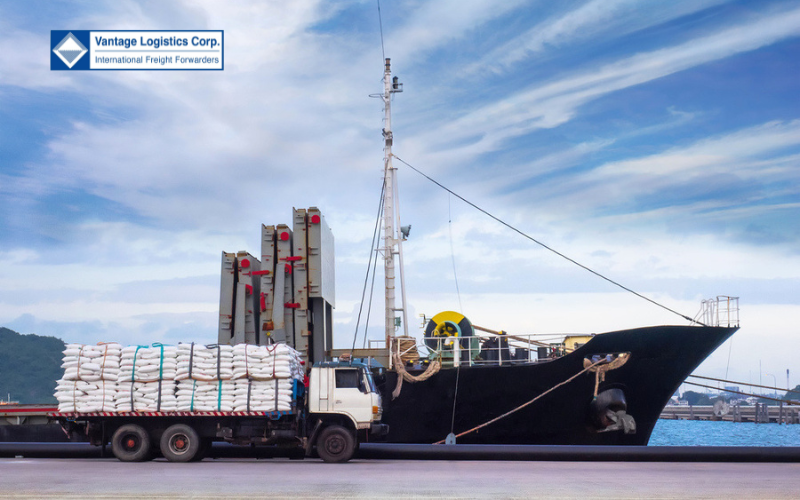
Escalating conflicts in the Middle East are directly impacting transport costs through increased insurance premiums and fuel surcharges. Delays at transshipment hubs have forced businesses to adapt their delivery methods. Experts advise exporters to prioritise FOB (Free on Board) terms over CIF (Cost, Insurance, and Freight) to mitigate risks arising from volatile international freight rates and insurance costs.
Directive 08/CT-BCT: Six Solutions to Drive Rice Exports
To adapt to the evolving landscape, the Ministry of Industry and Trade (MoIT) issued Directive No. 08/CT-BCT on 19 March 2026. This strategic move formalises the Prime Minister’s instructions under Official Dispatch No. 21/CĐ-TTg.
1. Optimising Free Trade Agreements (FTAs)
The MoIT is focusing on supporting businesses to fully exploit FTAs to expand market reach. A key priority is the negotiation with the EU and the United Kingdom to amend the list of fragrant rice varieties eligible for tariff preferences.
Q1 2026 Export Highlight: A significant milestone in this year’s export landscape was the successful shipment of nearly 400 tonnes of high-quality fragrant rice to the EU market. This is more than a commercial figure; it serves as clear evidence of the capability of Viet Namese enterprises to effectively leverage the EVFTA to access premium markets. This shipment confirms that Viet Namese rice can meet stringent standards regarding quality, residue levels, and traceability, opening doors to high-end segments across Europe and the UK.
2. Logistical Flexibility and Geopolitical Risk Awareness
Enterprises are encouraged to develop "risk maps" and remain flexible in their logistics. Rather than relying solely on traditional routes affected by regional conflicts, transport providers have proactively diverted shipments via the Cape of Good Hope or utilised multimodal solutions to ensure timely delivery to partners.
3. Diversifying Export Markets
Beyond traditional markets such as the Philippines—which imported over 820,000 tonnes in the first two months of the year—the Ministry is pushing for expansion into niche markets in North America and premium segments in Japan and South Korea.
4. Domestic Market Regulation
Functional agencies have stepped up monitoring to prevent speculation and hoarding. This ensures a balance between domestic consumption and export requirements, protecting the legitimate interests of farmers.
5. Enhancing Information Transparency
Publicly disclosing data on inventory, pricing, and market forecasts allows businesses to adjust their commercial strategies proactively and access preferential credit for temporary storage purchases.
6. Value Chain Integration
Promoting the "1 Million Hectares of High-Quality, Low-Emission Rice" project aims to create a stable supply that aligns with the global trend toward green and sustainable consumption.
Outlook and Recommendations for Enterprises
Opportunities and Challenges
Effective utilisation of the EVFTA, UKVFTA, and CPTPP is opening doors for fragrant and high-quality rice. However, the dual challenge of declining prices and rising logistics costs requires a highly flexible approach to supply chain management.
Recommendations
Directive 08/CT-BCT serves as a vital "compass" for the Viet Namese rice industry in 2026. To succeed, businesses must transition from a reactive state to proactive adaptation, placing quality and logistical agility at the heart of their competitive advantage.
Are you looking for a reliable logistics partner for agricultural exports? Contact Vantage Logistics today for expert advice on flexible, secure, and cost-optimised shipping routes tailored to withstand market volatility.
Global Production and Consumption Forecasts
According to reports from the Food and Agriculture Organisation of the United Nations (FAO), global rice production for the 2025-2026 season is projected to hit a record 563.4 million tonnes. Meanwhile, global consumption is expected to rise by 2.7% to 555.5 million tonnes. While the stock-to-use ratio remains favourable at 38.7% – providing a "safety buffer" – it also intensifies competitive pressure on Viet Namese rice.
Geopolitical Instability and Logistics Risks
Escalating conflicts in the Middle East are directly impacting transport costs through increased insurance premiums and fuel surcharges. Delays at transshipment hubs have forced businesses to adapt their delivery methods. Experts advise exporters to prioritise FOB (Free on Board) terms over CIF (Cost, Insurance, and Freight) to mitigate risks arising from volatile international freight rates and insurance costs.
Directive 08/CT-BCT: Six Solutions to Drive Rice Exports
To adapt to the evolving landscape, the Ministry of Industry and Trade (MoIT) issued Directive No. 08/CT-BCT on 19 March 2026. This strategic move formalises the Prime Minister’s instructions under Official Dispatch No. 21/CĐ-TTg.
1. Optimising Free Trade Agreements (FTAs)
The MoIT is focusing on supporting businesses to fully exploit FTAs to expand market reach. A key priority is the negotiation with the EU and the United Kingdom to amend the list of fragrant rice varieties eligible for tariff preferences.
Q1 2026 Export Highlight: A significant milestone in this year’s export landscape was the successful shipment of nearly 400 tonnes of high-quality fragrant rice to the EU market. This is more than a commercial figure; it serves as clear evidence of the capability of Viet Namese enterprises to effectively leverage the EVFTA to access premium markets. This shipment confirms that Viet Namese rice can meet stringent standards regarding quality, residue levels, and traceability, opening doors to high-end segments across Europe and the UK.
2. Logistical Flexibility and Geopolitical Risk Awareness
Enterprises are encouraged to develop "risk maps" and remain flexible in their logistics. Rather than relying solely on traditional routes affected by regional conflicts, transport providers have proactively diverted shipments via the Cape of Good Hope or utilised multimodal solutions to ensure timely delivery to partners.
3. Diversifying Export Markets
Beyond traditional markets such as the Philippines—which imported over 820,000 tonnes in the first two months of the year—the Ministry is pushing for expansion into niche markets in North America and premium segments in Japan and South Korea.
4. Domestic Market Regulation
Functional agencies have stepped up monitoring to prevent speculation and hoarding. This ensures a balance between domestic consumption and export requirements, protecting the legitimate interests of farmers.
5. Enhancing Information Transparency
Publicly disclosing data on inventory, pricing, and market forecasts allows businesses to adjust their commercial strategies proactively and access preferential credit for temporary storage purchases.
6. Value Chain Integration
Promoting the "1 Million Hectares of High-Quality, Low-Emission Rice" project aims to create a stable supply that aligns with the global trend toward green and sustainable consumption.
Outlook and Recommendations for Enterprises
Opportunities and Challenges
Effective utilisation of the EVFTA, UKVFTA, and CPTPP is opening doors for fragrant and high-quality rice. However, the dual challenge of declining prices and rising logistics costs requires a highly flexible approach to supply chain management.
Recommendations
- Proactive Updates: Closely monitor policy shifts in importing nations.
- Quality over Quantity: Focus on fragrant and medicinal rice varieties to increase value-added margins.
- Adaptive Logistics: Partner with experienced freight forwarders to establish contingency transport solutions in response to geopolitical volatility.
Directive 08/CT-BCT serves as a vital "compass" for the Viet Namese rice industry in 2026. To succeed, businesses must transition from a reactive state to proactive adaptation, placing quality and logistical agility at the heart of their competitive advantage.
Are you looking for a reliable logistics partner for agricultural exports? Contact Vantage Logistics today for expert advice on flexible, secure, and cost-optimised shipping routes tailored to withstand market volatility.