




Hormuz Escalation: Viet Nam Seeks Iran’s Priority Passage for 19 Vessels Amid Rising Logistics Risks

01/04/2026
Tensions in the Strait of Hormuz are not only driving up oil prices and global freight rates but also placing Viet Nam-linked vessels directly within a high-risk zone. According to the Viet Nam Maritime and Waterway Administration (VIMAWA), there are currently 19 vessels owned by Vietnamese enterprises operating in the Middle East, including 4 flying the Vietnamese flag and 15 under foreign flags.
19 Viet Nam-linked vessels operating in the Hormuz region
According to reports submitted to the Ministry of Construction and relevant authorities, VIMAWA stated:
According to reports submitted to the Ministry of Construction and relevant authorities, VIMAWA stated:
- There are 19 vessels owned by Vietnamese enterprises operating in the Middle East and requiring transit through the Strait of Hormuz.
- Of these:
- 4 vessels fly the Vietnamese flag
- 15 vessels are foreign-flagged but owned by Vietnamese companies
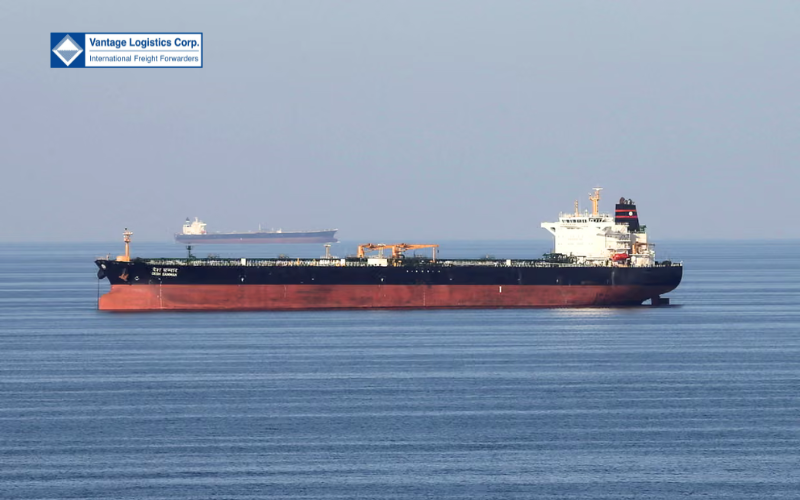
Distinction between Vietnamese-flagged and foreign-flagged vessels
VIMAWA and relevant authorities have defined three levels of priority in proposals submitted to Iran:
- Highest priority:
- Vietnamese-flagged vessels
- Owned by Vietnamese enterprises
- Carrying cargo between Viet Nam and the Middle East
- Second priority:
- Foreign-flagged vessels
- Owned by Vietnamese enterprises
- Crewed by Vietnamese seafarers
- Third priority:
- Foreign-flagged vessels
- Owned by Vietnamese enterprises
- Operating international routes outside Viet Nam’s direct trade flows
- Crewed by foreign seafarers
This prioritisation reflects three key realities:
- Viet Nam aims to protect routes directly linked to strategic trade flows, including energy and import-export cargo.
- Although many vessels operate under foreign flags to optimise cost and regulatory conditions, in times of crisis, shipowners still rely on government-level diplomatic support.
- A clear priority framework supports negotiations with insurers, as war-risk coverage often requires official confirmation from Iran regarding safe passage eligibility.
Operational risks: rising costs and disrupted schedules
The Hormuz crisis introduces three primary categories of operational risk:
- Extended anchorage and increased operating costs:
- Some vessels must remain in the Gulf awaiting clearer security signals, leading to additional costs such as fuel, crew wages, anchorage fees, and lost voyage opportunities.
- Security and insurance risks:
- Exposure to inspection, detention, or potential attacks if conditions deteriorate further.
- Rising war-risk premiums and high-risk area surcharges significantly increase operating costs.
- Spillover impact on Viet Nam’s supply chain:
- Disruptions to oil tankers, gas carriers, and bulk vessels from the Middle East
- Increased pressure on energy supply and industrial input materials
- Higher logistics costs and potential delivery delays
Viet Nam’s diplomatic response to safeguard maritime operations
In response, VIMAWA has proposed:
- Coordination between the Ministry of Construction and the Ministry of Foreign Affairs to engage with Iran and relevant parties to: Request priority and safe passage for Vietnamese-flagged vessels and Viet Nam-owned vessels, including those under foreign flags. Obtain official assurances on the safety of vessels and crews, enabling companies to secure or maintain war-risk insurance.
- Consideration of reduced maritime-related fees in affected areas, aligned with domestic frameworks, to ease pressure on Vietnamese shipowners.
At the same time, Viet Nam’s maritime authorities are:
- Closely monitoring regional developments and updating guidance in line with IMO recommendations
- Instructing the Viet Nam Maritime Search and Rescue Coordination Centre (VMRCC) to maintain 24/7 operations and connectivity with shipowners and crewing agencies
Implications of the Hormuz crisis for Vietnamese import-export businesses
Based on the presence of Viet Nam-linked vessels in the Middle East, the impact extends beyond the maritime sector and directly affects trade operations. The figure of “19 vessels” is not merely statistical – it signals three practical implications for businesses:
- Risk is now embedded, not external
- Vietnamese vessels and crews are operating within the risk zone, meaning any disruption in Hormuz can translate directly into cost increases and delays across the supply chain, from fuel prices to freight and insurance.
- Risk cost must be factored into logistics decisions
- When calculating FOB/CIF pricing, delivery timelines, or route selection, businesses must consider additional factors such as risk surcharges, anchorage delays, and alternative routing via the Cape of Good Hope.
- The role of logistics partners is evolving
- Logistics providers must go beyond pricing to deliver:
- Route-specific risk updates (Hormuz, Red Sea).
- Alternative routing and modal scenarios.
- Advisory on insurance, lead time, and appropriate safety stock levels.
- Logistics providers must go beyond pricing to deliver:
Vantage Logistics is closely monitoring developments in the Middle East and key routes transiting Hormuz. Contact our experts today for tailored route analysis and proactive risk management solutions.