





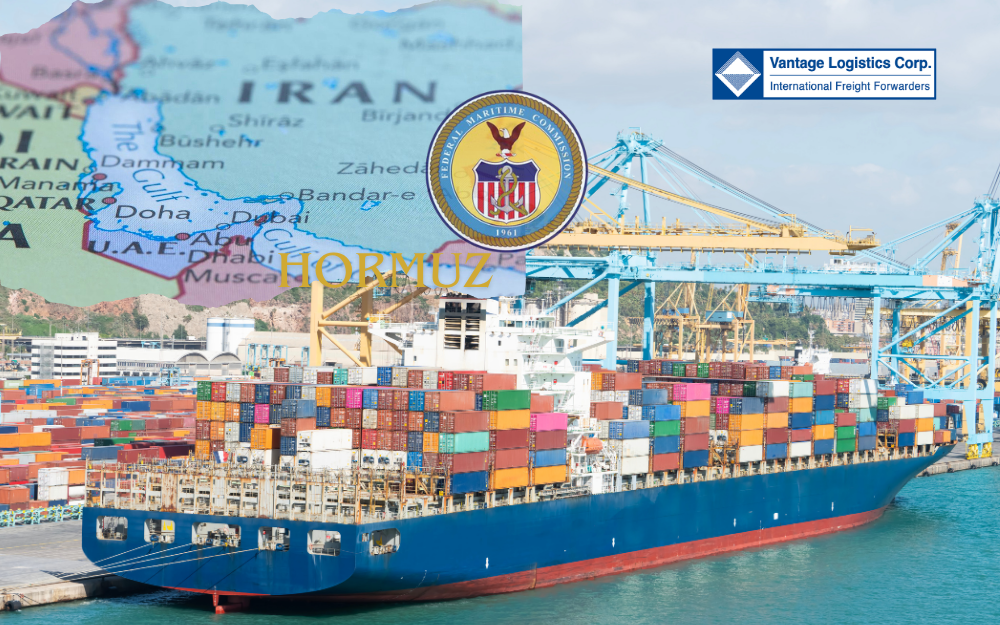
FMC REJECTS IMMEDIATE IMPLEMENTATION OF HORMUZ SURCHARGES


25/03/2026
The Federal Maritime Commission (FMC) has rejected a proposal from several ocean carriers to immediately implement surcharges related to the Hormuz conflict. Under current regulations, such charges can only take effect after a minimum 30-day notice period, meaning these surcharges will not be valid until early April 2026.
FMC Upholds Surcharge Filing Requirements
Carriers including CMA CGM, Hapag-Lloyd, Maersk and ZIM proposed shortening the implementation timeline. However, the FMC confirmed that all surcharges must comply with 46 CFR 520.8:
Carriers including CMA CGM, Hapag-Lloyd, Maersk and ZIM proposed shortening the implementation timeline. However, the FMC confirmed that all surcharges must comply with 46 CFR 520.8:
- Surcharges must be filed with at least 30 days’ prior notice
- They become effective only after the valid notice period
- Any charges applied before the effective date are not recognised.
Three Types of Surcharges Involved
The proposal included the following surcharge categories:
The proposal included the following surcharge categories:
- Emergency Fuel Surcharge (EFS): Applied in response to fuel price volatility
- War Risk Surcharge: Reflecting increased risks in conflict-affected areas
- Transit Disruption Surcharge (TDS): Covering operational disruptions along shipping routes
Warning on Non-Compliant Charges
The FMC emphasised:
- Surcharges that do not comply with filing requirements have no legal validity
- Shippers are not obligated to pay charges imposed outside the regulatory framework
Recommended Actions for Importers and Exporters
In response to these developments, businesses are advised to:
- Review surcharge clauses in shipping contracts
- Verify the effective dates of any additional charges
- Cross-check carrier filings with FMC records
- Request clarification on cost structures for any new surcharges
The FMC’s decision reinforces compliance with established surcharge filing procedures and clarifies the legal standing of additional charges during periods of market disruption. It also signals increased scrutiny aimed at improving transparency and limiting the misuse of surcharges in international shipping.
Contact Vantage Logistics for more details.