





Air Freight Across Asia – EU – Middle East: Capacity Declines, Rates Surge


25/03/2026
Air freight across the Asia – EU – Middle East corridor is being directly impacted by geopolitical tensions in the Middle East. Airspace restrictions and network adjustments have reduced capacity, while driving up freight rates and extending transit times.
Recently, several international airlines have expanded flight cancellations and suspensions to the Middle East, including Air France-KLM, Lufthansa Group, British Airways and Singapore Airlines.
At the same time, Asian carriers such as Cathay Pacific and Japan Airlines have adjusted or temporarily suspended certain routes to Dubai, Doha and other Middle Eastern destinations.
Notably, Viet Nam Airlines has also adjusted its Europe-bound routes to avoid Iranian and Iraqi airspace, increasing flight times and reducing operational efficiency on international routes.
At the same time, Asian carriers such as Cathay Pacific and Japan Airlines have adjusted or temporarily suspended certain routes to Dubai, Doha and other Middle Eastern destinations.
Notably, Viet Nam Airlines has also adjusted its Europe-bound routes to avoid Iranian and Iraqi airspace, increasing flight times and reducing operational efficiency on international routes.
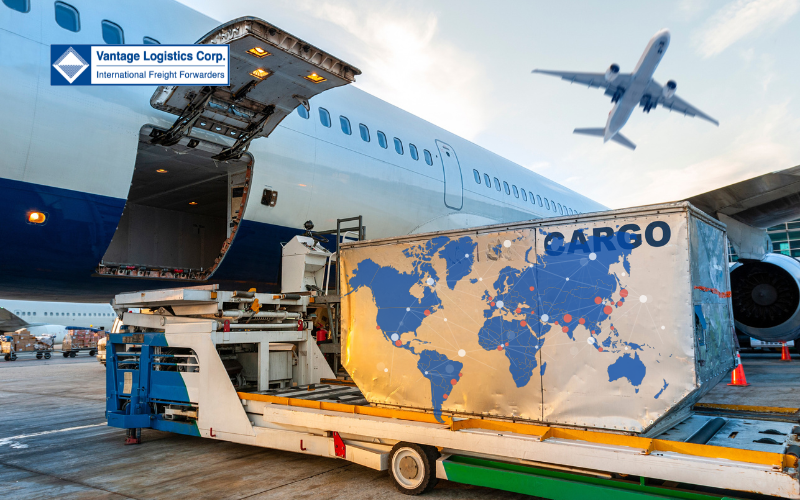
Capacity Across the Asia – Europe – Middle East Corridor Declines
Historically, air cargo flows from Asia to Europe have relied heavily on Middle Eastern hubs such as Dubai and Doha, supported by carriers including Emirates, Qatar Airways and Etihad Airways.
As these airlines reduce frequencies and adjust their networks, overall capacity across the Asia – Middle East – Europe corridor has been impacted.
Market data indicates that air cargo capacity along the Asia – Middle East – Europe corridor has declined by approximately 26%, with peaks of up to 39% since the conflict escalated.
Flight reductions not only affect passenger traffic but also significantly reduce bellyhold cargo capacity – a major source of global air freight supply.
Air Freight Rates Surge Due to Regional Capacity Constraints
As supply tightens across the region, air freight rates from Asia to Europe and the Middle East are increasing rapidly on a weekly basis. Businesses are facing:
- Increased fuel surcharges
- Risk surcharges (war-related surcharges)
- Higher transhipment costs
According to market data, air freight rates on some international routes have risen by 50–70% since the escalation, with certain South Asia – Europe corridors recording increases of up to approximately 70%.
For the Viet Namese market, round-trip airfares between Viet Nam and Europe during peak periods have reached approximately VND 150 million, reflecting operational cost pressures and system-wide capacity shortages.
Even dedicated freighter operators such as Cathay Pacific Cargo and Lufthansa Cargo have not been able to fully offset the lost capacity
For the Viet Namese market, round-trip airfares between Viet Nam and Europe during peak periods have reached approximately VND 150 million, reflecting operational cost pressures and system-wide capacity shortages.
Even dedicated freighter operators such as Cathay Pacific Cargo and Lufthansa Cargo have not been able to fully offset the lost capacity
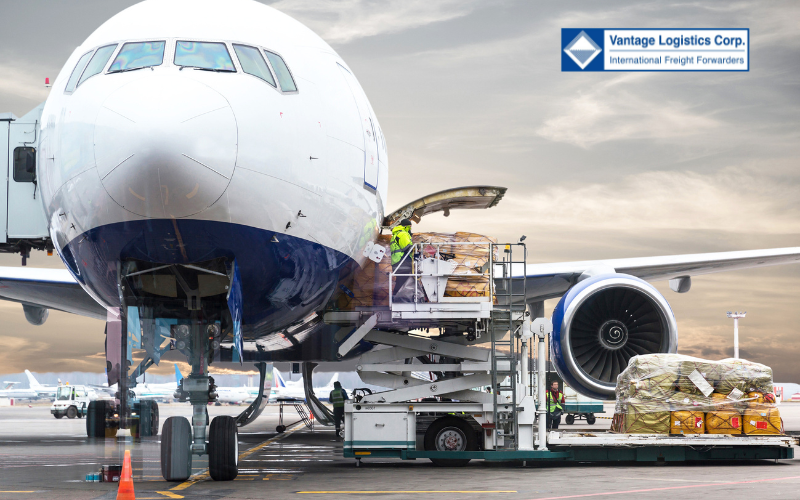
Extended and Unstable Transit Times
Air freight from Asia to Europe and the Middle East is no longer maintaining stable transit times due to:
Air freight from Asia to Europe and the Middle East is no longer maintaining stable transit times due to:
- Rerouting to avoid high-risk areas
- Congestion at alternative hubs
- Increased risk of delays and cargo rollovers
Airlines such as Japan Airlines and Malaysia Airlines have also adjusted schedules, further reducing network reliability
Shift Towards Asian Hubs
To maintain cargo flows, airlines are redirecting capacity:
Shift Towards Asian Hubs
To maintain cargo flows, airlines are redirecting capacity:
- Increasing transhipment via Hong Kong, Singapore, Seoul, and Tokyo
- Prioritising direct routes
- Reducing dependence on the Middle East
This trend helps sustain air freight flows from Asia to Europe, but also increases costs and puts additional pressure on intra-Asia logistics systems.
Middle East Routes: Higher Risk and Limited Options
For Middle East routes, disruption levels are higher as airlines such as Wizz Air and flydubai suspend or scale down operations in the region.
This leads to:
Middle East Routes: Higher Risk and Limited Options
For Middle East routes, disruption levels are higher as airlines such as Wizz Air and flydubai suspend or scale down operations in the region.
This leads to:
- Continuously fluctuating capacity
- Limited flight availability
- Increased reliance on multimodal solutions (air + road)
Air freight from across the Asia – Europe – Middle East corridor is entering a period of significant volatility, with reduced capacity, rising costs, and unstable schedules occurring simultaneously.
Changes in airline networks and reliance on strategic transit corridors are making air supply chains less predictable, particularly for time-sensitive shipments.
Businesses need to proactively adjust logistics strategies, diversify routing options, and control costs to maintain operational efficiency in this environment.
Contact Vantage Logistics now for tailored logistics solutions aligned with current market conditions.
Changes in airline networks and reliance on strategic transit corridors are making air supply chains less predictable, particularly for time-sensitive shipments.
Businesses need to proactively adjust logistics strategies, diversify routing options, and control costs to maintain operational efficiency in this environment.
Contact Vantage Logistics now for tailored logistics solutions aligned with current market conditions.